What would happen if every pregnant woman attending a Primary Health Care facility could access the basic materials required for a clean delivery—while receiving counselling from a trained health worker and support from an informed family?
The experience of the MamaSafe Initiative in Akwanga and Keffi LGAs provides useful evidence for policymakers considering how to strengthen maternal and newborn health services across Nasarawa State.
Implemented by ETTDI in collaboration with the Nasarawa State Ministry of Health, MamaSafe deliberately worked through existing PHC structures rather than creating a parallel delivery system.
That choice matters for sustainability.
Building through the primary healthcare system
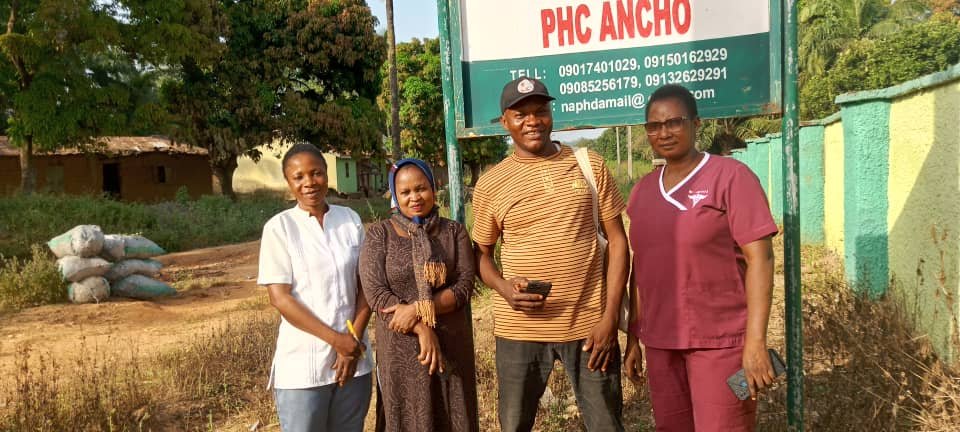
Twenty-one PHCs participated in the project.
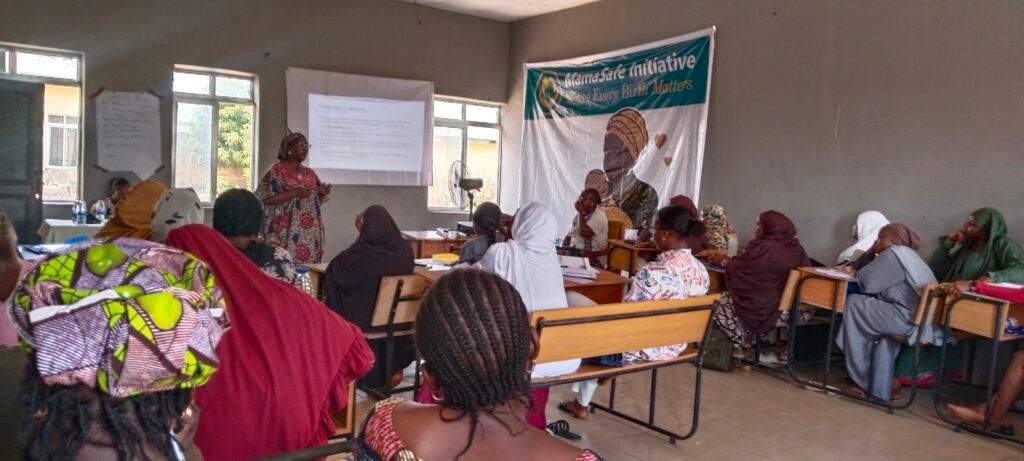
Fifty-six midwives and Community Health Extension Workers were trained in infection prevention, clean delivery practices, respectful maternity care, counselling, referral, emergency preparedness and use of the MamaSafe Kit.
Average health-worker knowledge scores increased from 52% before training to 91% after training, while supervisory visits subsequently identified better hygiene practices, counselling and record keeping.
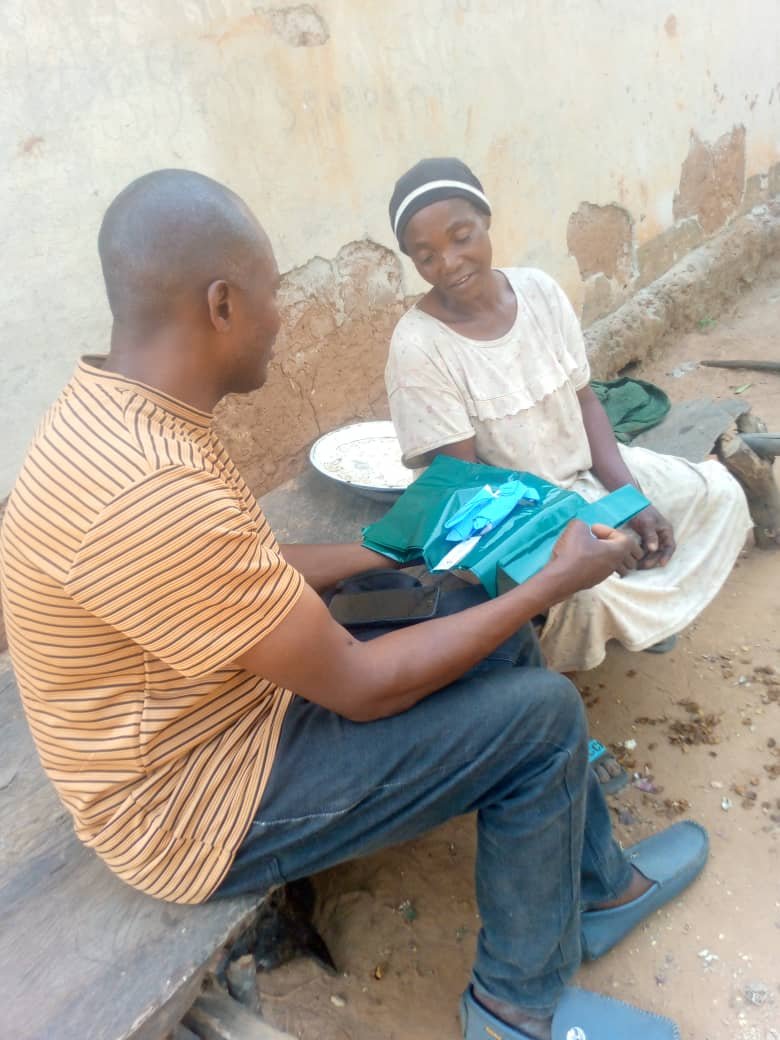
The facilities then became the main gateway for distributing 1,000 MamaSafe Kits.
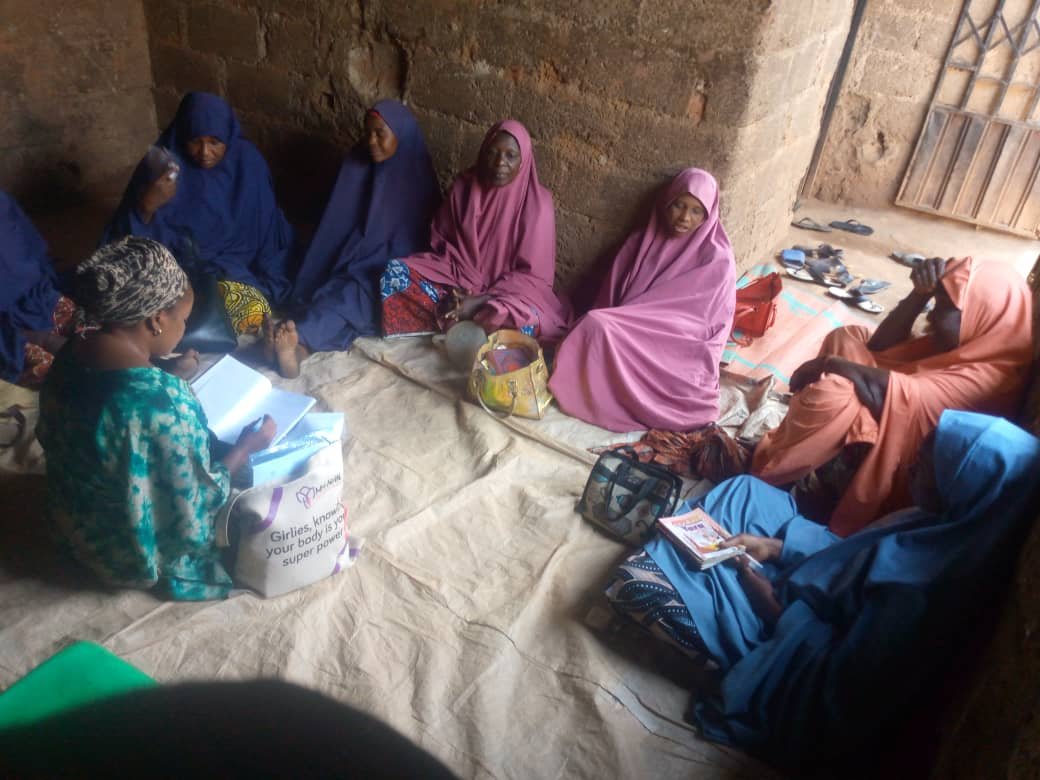
Importantly, kit distribution was linked to antenatal registration.
This meant the kit served two purposes: providing essential clean-delivery materials and creating an incentive for pregnant women to connect with the formal health system.
Encouraging indicators of service utilization
The results were promising.
Facility-based delivery increased from 74% to 85.5%, while skilled birth attendance increased from 79% to 91.2% between baseline and endline.
ANC attendance reached 97.6%, and 95.3% of new mothers who delivered during the implementation period reported using their MamaSafe Kit.
At one participating facility, PHC Sabon Layi, ANC1 registrations increased from 16 to 59 during the project period, while average monthly deliveries increased from four to seven.
The findings should be interpreted appropriately: MamaSafe was not evaluated using a control group, so changes cannot be attributed exclusively to the intervention. Nevertheless, the consistency of household, provider, facility and qualitative findings provides a strong basis for continued testing and scale-up.
The next policy questions
The pilot also identified issues that become particularly important when moving from project implementation to government-led scale.
First is supply continuity. At endline, 15.2% of surveyed providers reported experiencing kit stock-outs. Expanding access without a reliable restocking mechanism risks undermining community confidence.
Second is sustainable financing. Endline data showed that 69.7% of women preferred kits to remain free, while median willingness to pay was only ₦1,000. The report therefore recommends exploring options including government co-financing, vouchers and potential linkage with the Basic Health Care Provision Fund and NHIA mechanisms.
Third is early antenatal care. Although overall ANC attendance was high, only 35.6% of women initiated ANC in the first trimester. Future scale-up will require stronger communication through community leaders, radio, male engagement and other locally appropriate platforms.
And fourth is male participation. Household decision-making remains an important determinant of when and where women seek maternity care. MamaSafe found that husbands were receptive once engaged, suggesting that male-focused outreach should become an intentional component rather than an incidental one.
A platform for statewide maternal health action
The value of MamaSafe for government is therefore not simply the distribution of another health commodity.
It is the potential for an integrated model connecting:
pregnant women → communities → trained frontline providers → PHCs → state systems.
The next phase could test a phased expansion across additional LGAs, integrate MamaSafe training into existing professional development for midwives and CHEWs, strengthen procurement and restocking systems, and continue routine monitoring of facility delivery, skilled attendance, kit utilization and maternal/newborn complications.
The experience of Akwanga and Keffi suggests that relatively simple interventions can become more powerful when they are embedded within the health system rather than delivered in isolation.
MamaSafe now provides an opportunity to move from a successful local implementation experience toward a sustainable government-partnered model for safer childbirth across Nasarawa State.